Grief doesn’t always look like crying on the couch or breaking down in someone’s arms. Sometimes it looks like functioning, like showing up, going to work, taking care of people, smiling when you have to, and then wondering why you still feel heavy, tired, or strangely disconnected inside.
Many people believe time alone heals grief, but unresolved grief healing often requires support, awareness, and emotional processing. When the deeper layers of pain don’t get space to move, they settle into your body in quiet ways. You stop noticing the sadness on the surface, but the weight underneath keeps pulling at you.
This is where the grief recovery journey becomes more than closure or acceptance. It becomes understanding the hidden signs your mind and body have been holding. And it becomes learning how emotional healing brings those frozen parts of you back into connection, safety, and presence. There is a portion of our mind that enjoys grief. We are here to help educate you on how and why.
At Reclaim Happy, as certified life coaches, we see this every day. People who thought they had “moved on,” yet still feel emotionally stretched thin. People who seem strong to others, yet inside, are carrying exhaustion, suppressed emotions, and a sense of emotional fog that never quite goes away. Grief rarely disappears on its own. It softens when you know how to support it.
The Hidden Signs You May Still Be Carrying Unresolved Grief
Grief is often more than obvious sadness. It hides in patterns you’ve learned to call “normal.” Feeling tired all the time. Snapping at people you care about. Avoiding certain conversations or places. Struggling to reconnect with yourself. These are signs of emotional weight that hasn’t been processed fully.
Many clients tell us they thought they were doing fine because they were functioning. But functioning isn’t healing and if you still feel a quiet disconnect from life, it may be a sign that your system is stuck in protection mode. Understanding these hidden signs is the first step in emotional grief support and rebuilding the parts of you that loss once took away.
1. Emotional Numbness That Doesn’t Go Away
Emotional numbness is one of the most misunderstood signs of grief. You are not heartless. You are not “over it.” You are not broken. Numbness is your mind’s emergency response to pain that feels too big to face. It dulls your emotional edges so you can keep going. In the beginning, it protects you. However, when it lingers for months or years, that numbness becomes a barrier between you and life.
Many people describe it as feeling “muted.” You know you should feel something but nothing comes. Joy feels far away. Sadness feels stuck. Even anger doesn’t rise the way it used to. This kind of emotional numbness is often a sign of blocked emotions, and it can show up in subtle ways. You stop reacting to things you once cared about. You push down difficult memories. You stay busy to avoid the quiet.
Healing emotional avoidance helps thaw this frozen place inside you. Through emotional processing, gentle nervous system work, and grief-aware life coaching, numbness slowly loosens. You start to reconnect with your emotional world without feeling overwhelmed. This is when people say “I feel like myself again”, because numbness wasn’t their personality. It was protection.
2. Feeling “Stuck” or Unable to Move Forward
Feeling stuck doesn’t mean you’re doing something wrong. It means your system has reached an emotional block it hasn’t learned to move through yet. After loss, the body often holds on to pain as if moving forward means leaving the person or memory behind. This creates emotional stagnation, a sense that you are living your life from the same moment of loss over and over.
This “stuckness” can show up as feeling stuck after loss, trouble making decisions, repeating the same emotional cycles, spiraling into bouts of anxiety, or constantly revisiting the past. You may have moments of progress followed by sudden emotional setbacks. You might feel like you’re doing everything right but still living behind an invisible wall.
This is a classic sign of unresolved grief healing work waiting to happen. Emotional healing helps unblock what feels frozen. It gives you tools to move through the heaviness safely instead of staying trapped in it. Many people find that once the emotional block releases, their mind becomes clearer, their energy returns, and forward motion feels possible again, not forced, not rushed, just naturally supported.
Read Next: Reiki for Stress Relief: How Energy Healing Eases Emotional Tension
3. Irritability or Unexpected Anger
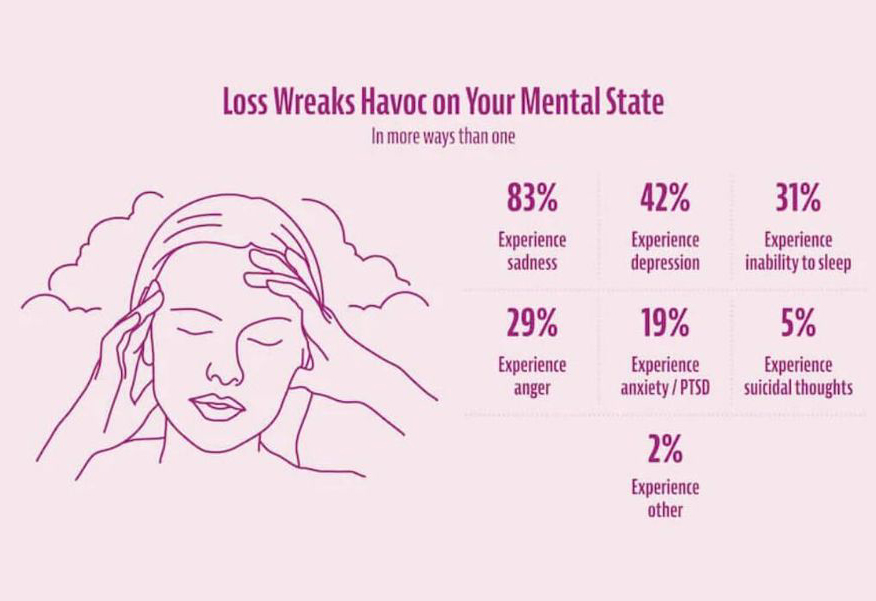
Anger after loss is one of the clearest signs that grief is still sitting in your system, even if you don’t notice it at first. Many people expect grief to look like sadness or tears, so when irritation shows up instead, they mistake it for impatience, stress, or burnout. But anger after loss is extremely common. It rises when pain has nowhere to go.
You may find yourself snapping at loved ones, feeling overwhelmed by small inconveniences, losing patience over things that previously didn’t bother you, or being surprised by sudden emotional spikes that feel out of proportion. These reactions are not character flaws but they often cause issues in relationships. They are signs of bottled-up pain, reactive emotions, and unprocessed sorrow pushing through the cracks.
Emotional healing helps calm this storm. When you begin to acknowledge the pain beneath the irritation, the anger softens. You stop seeing every frustration as an attack on your stability. You start understanding that grief isn’t making you angry at the world, it’s asking for room to breathe through emotional grief support.
4. Constant Fatigue Even With Rest
Grief exhausts the body in ways most people don’t realize. It isn’t just mental. It is physical, emotional, and energetic. Even when you sleep, your body may still be working harder than usual to manage the emotional weight you haven’t processed. This is why many people experience grief fatigue, emotional exhaustion, or low energy long after the loss.
It can feel like a heaviness that sits in your chest or shoulders, a mental fog that makes everyday tasks feel harder than they should. You might rest, eat well, or take breaks and still feel tired. That is because unresolved grief drains emotional resources your system hasn’t replenished yet.
Emotional and energy healing helps restore this energy. It reduces the internal tension your nervous system has been carrying. It helps your body shift out of survival mode so it can access real rest. And as those emotional layers soften, many people notice their energy rising again, slowly, steadily, and finally in a way that lasts.
This is one of the reasons grief fatigue relief is such an important part of the grief recovery journey.
5. Avoiding Places, People, or Memories
Avoidance is one of the most invisible signs of unresolved grief because it often looks practical. You avoid the restaurant you used to go to together because “it’s too far.” You stay away from certain conversations because “it isn’t the right time.” You push memories down because “there’s no point bringing them up.” On the surface, these seem logical. Underneath, they reveal avoidance signs and emotional shutdown.
Avoidance protects you from what feels too intense to face but long term, it keeps you stuck. It teaches your system that the memories or emotions are dangerous. This leads to distancing behaviour, fear of memories, emotional withdrawal, and feeling further disconnected from yourself.
Healing by resetting the mind helps create safety. Instead of forcing you to revisit painful memories, emotional healing offers gentle support that helps you face grief triggers in small, manageable ways. When you feel grounded rather than overwhelmed, avoidance loosens. The world becomes less threatening. And you finally make room for reconnection.
6. Feeling Disconnected From Yourself or Others
Loss changes your sense of identity. It shifts how you show up in relationships. It alters how you see yourself. Many people experience disconnection after loss without realizing it is a grief response. You may feel distant from friends, detached in conversations, out of sync with your emotions, or unsure who you are now that life looks different.
This happens because grief pulls you inward. It creates an emotional fog that makes it difficult to stay present. You might find yourself watching your life from a distance, going through the motions but rarely feeling grounded in the moment. This kind of emotional withdrawal can last long after everyone assumes you’re doing “better.”
Emotional healing helps rebuild connection. It creates space to understand who you are now, not just who you were before the loss. It helps your emotions thaw, your presence return, and your relationships feel meaningful again. When you reconnect with yourself first, it becomes easier to reconnect with the world around you.

7. Mood Swings and Sudden Emotional Shifts
Grief doesn’t move in a straight line. It can sit quietly for days and then rush back without warning. Many people experience the mood swings grief brings about without realizing the emotional waves are connected to unprocessed pain. One moment you feel steady, and the next, you’re overwhelmed by depression, irritability, or sudden tears. These shifts are not randomness. They are suppressed emotions rising to the surface.
When grief isn’t fully processed, your body holds emotional fragments in different places. A small reminder, a memory, or even a moment of silence can activate these hidden pockets. This creates unpredictable emotional movement that feels confusing or destabilizing. You may even judge yourself for “overreacting,” when in reality, your system is trying to release what you haven’t had space to feel.
Emotional healing helps calm this internal turbulence. When you create room to process the deeper layers, the emotional spikes settle. You start recognizing your reactions instead of being swept up in them. Over time, the unpredictability eases, and your emotional landscape becomes more steady, grounded, and responsive instead of reactive.
8. Feeling Overwhelmed by Small Things
When your emotional resources are stretched thin by grief, even simple tasks can feel like mountains. You might find yourself avoiding emails, delaying errands, or struggling to focus on basic responsibilities. These are a signs of emotional overload and emotional stagnation. They occur when your internal system is already carrying so much that even small additions tip you over the edge.
People often say “I used to handle this easily,” and that contrast makes them feel frustrated or ashamed but grief disrupts your emotional capacity. It reduces the bandwidth required for decision-making, planning, or problem-solving. When this imbalance goes unaddressed, the overwhelm becomes chronic, not situational.
Healing your grief helps rebuild your emotional balance. As the mental weight begins to move, your mind gains room to breathe again. Tasks feel less draining. Choices feel less confusing. Your ability to cope strengthens. You begin returning to the version of yourself who could handle life, not by pushing harder, but because the internal burden finally lightens.
9. Repeating the Same Grief Cycles
Feeling like you’re looping back into the same pain again and again is one of the clearest signs of unresolved grief. You may feel okay for a while, only to find yourself suddenly pulled back into the same sadness, guilt, or emotional heaviness. This doesn’t mean you’re failing. It means the deeper layers of the loss have not been fully processed.
Repeating cycles happen when the mind and body hold onto blocked emotions. The pain doesn’t disappear simply because time passes. It waits for space to be acknowledged, understood, and safely released. Without that process, it resurfaces through thoughts, memories, or emotional triggers that reopen old wounds. Such repetition, if left unhealed, can also result in low self-worth over time.
Emotional healing helps you break the loop. Instead of reliving the same moment of loss, you learn how to move through it. You begin to understand what your system has been clinging to and why. When those layers finally soften, the cycles stop repeating. You stop returning to the same emotional starting point. You begin moving forward, slowly, gently, but finally in a real way.
Read Next: How to Improve Self-Worth Without Relying on External Validation
10. Heavy Guilt, Regret, or What-If Thoughts
Guilt is one of the most persistent grief symptoms, especially when you cared deeply for the person you lost. You may replay conversations, question past decisions, wonder if you could have done more, and slip into what-if thoughts that distort your memory of the relationship and intensify your emotional pain..
This kind of guilt leads to emotional distortion. When grief is unresolved, the mind looks for control. It tries to rewrite the past to reduce the feeling of helplessness. This creates prolonged sadness, rumination, and a mental weight that feels impossible to put down.
Emotional healing helps interrupt this pattern. It guides you out of self-blame and toward clarity. You learn to separate guilt from truth. You begin to understand that your mind is using guilt as a coping mechanism, not as a reflection of who you are. As the emotional layers soften, the heaviness lifts. You no longer carry the past as a punishment. You carry it with compassion.

How Emotional Healing Supports Grief Recovery
Emotional healing gives you space to understand what your body, mind, and heart have been carrying. Many people reach a point where they think they should be “over it” by now, yet the grief recovery journey still feels heavy. This is because unprocessed pain stays active beneath the surface, showing up as emotional numbness, blocked emotions, grief symptoms, or sudden emotional shutdown.
Emotional healing helps soften these deeper layers so you can move through pain instead of storing it. Here are some of the ways it supports unresolved grief healing:
- Releases Suppressed Emotions: Grief often hides inside suppressed emotions that never had space to breathe. When those feelings finally move, your body loosens and the emotional weight starts to shift.
- Reduces Emotional Avoidance: Many people stay away from grief triggers because the memories feel too sharp. With steady support, you can approach them at a pace that feels safe and manageable.
- Calms the Nervous System: When grief keeps you tense and drained, the body slips into emotional exhaustion. Nervous system work restores steadiness so your body no longer feels like it’s running on empty.
- Breaks Repeating Grief Cycles: When emotional layers stay frozen, you return to the same pain again and again. Releasing emotional stagnation helps your mind and body break free from those loops.
- Restores Presence and Connection: Loss can blur your sense of self and make you feel distant from everything around you. As your body softens and emotions move, that inner connection begins to return.
- Strengthens Emotional Boundaries: Grief often leaves you exposed to emotional overload. Rebuilding boundaries creates stability so your energy feels contained instead of scattered.
- Supports You When You’re Feeling Stuck After Loss: Moving forward can feel frightening when you’re still feeling stuck after loss. Guided emotional work gives you steady footing so each step feels grounded instead of rushed.
Read Next: Certified Life Coach vs. Therapist: What's Right for You?
How Reclaim Happy Supports Emotional Healing During Grief
At Reclaim Happy, emotional healing is not treated as a quick fix. It is a steady, safe process that helps you understand what grief has done to your mind, body, and daily life. Many people come to us carrying emotional numbness, heaviness after loss, or a quiet sense of detachment they cannot put into words. They are functioning, but not healing. They are moving through the world, but not feeling connected to it.
Our CBT-based approach creates room for those blocked emotions to surface gently. Through grief-aware conversations, CBT-informed coaching, nervous system calming, reflective exercises, and emotional awareness work, clients start to understand what their grief has been holding back. We treat emotional grief support as a path that'll lead you back to yourself.
Here are some of the ways Reclaim Happy supports unresolved grief healing:
- Helping You Understand Your Emotional Patterns: Many people carry grief without recognizing the signs. We help you see the connection between hidden grief, behaviors, and emotional responses. There is a part of the mind that indulges in grief. We help educate you on why.
- Creating Safety Around Grief Triggers: Instead of avoiding reminders, we guide you in building emotional stability that makes those moments less overwhelming.
- Supporting You Through Emotional Release: When long-held emotions begin to move, clients often feel lighter, clearer, and more grounded.
- Rebuilding Your Internal Foundation: Grief often shakes your identity, confidence, and sense of self. We help you reconnect with the version of you that existed before the loss.
- Restoring Balance to Your Nervous System: Ongoing grief keeps you in survival mode. Our sessions help settle that tension and support clarity and calm.
With skilled guidance and an emotionally safe space, the weight of grief becomes something you can walk with instead of something that keeps you anchored in place.
Book your free consultation today and begin healing the emotional layers grief has been holding.
FAQs
What does emotional numbness mean in grief?
Emotional numbness often appears when the mind feels overwhelmed by grief symptoms it hasn’t processed. Instead of breaking down, you shut down. This can feel like feeling detached, emotional withdrawal, or going through the motions without connection. It’s a sign of hidden grief, not a lack of caring, and it often softens once you begin unresolved grief healing.
Why do some people feel stuck in grief?
People often feel stuck after loss when the emotional layers freeze instead of moving. This can create emotional stagnation, difficulty moving on, or looping back into the same memories. These patterns mean the body is holding blocked emotions that need support. Emotional healing gives those feelings room to shift, which helps restart your grief recovery journey.
Is anger normal during grief?
Yes. Anger is one of the most common parts of grief. Some people experience anger after loss, mood swings, or sudden reactive emotions without knowing why. This often comes from bottled-up pain or emotional pressure that has not been released. Emotional healing helps reduce grief frustration and brings your system back into balance.
Why does grief make you feel so tired?
Grief impacts the entire body. Emotional overload can turn into emotional exhaustion, heaviness after loss, and even mental fatigue. Many people also experience low energy grief or burnout from grieving because the body has been carrying emotional weight without rest. Healing helps restore emotional energy and supports long-term grief fatigue relief.
Why do people avoid grief triggers?
Avoidance is a natural coping pattern. People steer away from certain memories, places, or conversations because they fear being overwhelmed. Created as a response to trauma these avoidance signs signal fear of memories or even emotional shutdown. Over time, it becomes a form of distancing behaviour and prevents feelings from moving. Emotional healing provides support for safely facing grief triggers without collapsing into them.