You walk into a quiet room, the lights are soft, and someone gently places their hands near you. Nothing is forced, nothing is invasive, yet somehow you leave feeling calmer, lighter, more centered. This is what many first-timers describe after their reiki healing session.
For those who are curious, reiki for beginners can feel mysterious. Is it energy work? Is it relaxation? Is it spiritual? The answer is simple: it is a gentle practice, led by a master reiki practitioner, that supports both body and mind. This guide is a complete beginner’s guide to reiki so you know exactly what to expect in your first reiki session and how it may help you.
New to Reiki? Here’s a Simple Explanation
Reiki is a gentle practice that works with your body’s natural energy. The word comes from Japanese, where “rei” means universal and “ki” means life energy. A reiki practitioner uses either light touch or hands held slightly above the body to encourage balance and relaxation.
People often describe it as a reset for both mind and body. Stress, worry, grief, and emotional weight can build up like static in your system. A reiki healing session helps release that tension to create space for calm and clarity. For anyone new to the practice, Reiki is simple, non-invasive, and focused on restoring balance rather than forcing change.
Read Next: Reiki for Stress Relief: How Energy Healing Eases Emotional Tension

How Does Reiki Actually Work?
Reiki may look simple on the surface, but there are several layers to how it creates change. Here’s a breakdown of the key elements so you understand what happens in a reiki healing session.
Gentle Energy Channeling
A reiki practitioner does not push or force energy. Instead, they act as a channel and guide universal life energy toward the areas where your body feels blocked or drained. Clients often notice sensations like warmth, tingling, or even deep calm during this process. The aim is not to manipulate but to support your body’s natural rhythm of healing.
Calming the Nervous System
When stress builds, your nervous system stays stuck in a state of tension. Reiki works by guiding the body back into relaxation mode. As your breathing slows and muscles soften, your mind starts to quiet down. This shift is why many people describe reiki energy healing as deeply restorative, especially if they struggle with anxiety or chronic stress.
Balancing Emotional Patterns
We carry emotional weight in our bodies. Tight shoulders during grief, knots in the stomach from fear, heaviness in the chest from overthinking, these are all signs of emotional baggage. Reiki brings awareness to these patterns and encourages release. Over time, this process helps you build a healthier emotional baseline, which is one of the biggest benefits of reiki healing for people new to the practice.
Restoring Flow and Connection
In reiki, energy is seen as something that flows through pathways in the body. When these pathways are clear, you feel steady, balanced, and connected. When they are blocked, you may feel tired, foggy, or emotionally stuck. Reiki helps restore flow and leaves you with a sense of openness and mindset clarity that extends beyond the session itself.
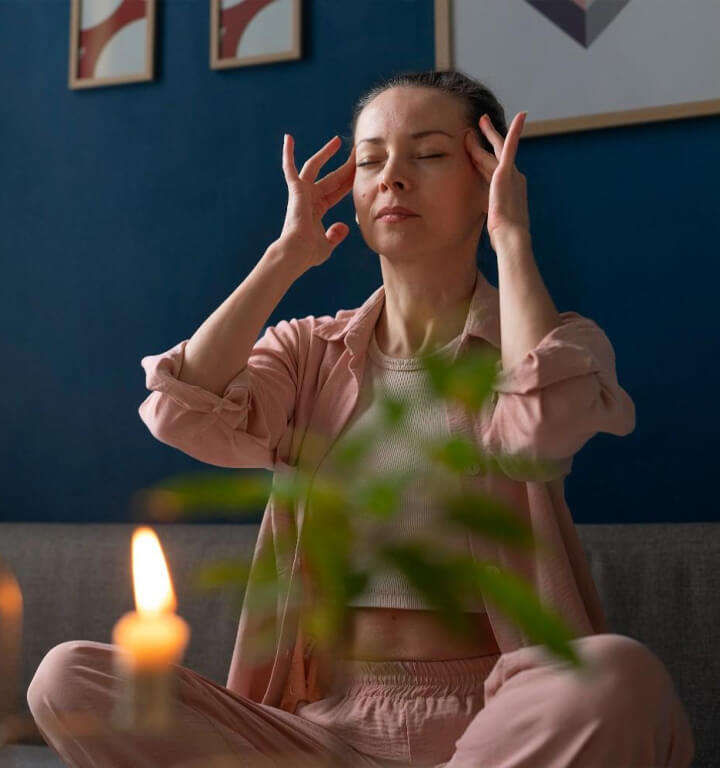
What Are the Benefits of Reiki for Beginners?
If you are new to Reiki, knowing the benefits can help you decide if it is right for you. Here are some of the most common outcomes people notice in their first reiki session or in the early stages of reiki therapy for beginners.
- Deep Relaxation: Reiki helps release built-up stress and tension, creating a calm state of mind.
- Stress Relief for Beginners: Many people find Reiki quiets mental noise and reduces daily overwhelm.
- Support for Emotional Healing: Reiki encourages release of grief, anxiety, and old emotional weight.
- Better Sleep Quality: A reiki healing session often improves rest by easing the nervous system and correcting the emotional balance.
- Grounded Energy Flow: Beginners describe feeling lighter, clearer, and more balanced after Reiki.
- Relief From Physical Tension: Some clients report less muscle tightness or fewer stress-related aches.
- Increased Self-Awareness: Reiki helps you tune into emotions and body signals you often ignore.
- Accessible for First-Timers: Unlike other practices, reiki for beginners is simple, non-invasive, and does not require prior experience.
What Happens in a Reiki Session?
If you are new to Reiki, one of the most common questions is what actually happens during a session. Many people arrive for their reiki first session with a mix of curiosity and nervousness. The truth is, a reiki healing session is calm, structured, and easy to follow. Nothing invasive, nothing complicated. Here’s what usually happens step by step.
1. Setting the Space
A Reiki session takes place in a quiet, comfortable room designed to help you relax. Soft lighting, calming music, and a peaceful atmosphere are often part of the setup. This is intentional. Before the reiki practitioner even begins, the environment itself signals to your body and mind that it is safe to let go of tension. For beginners, this first moment often sets the tone for the entire session.
2. Beginning the Session
You will be asked to lie down fully clothed on a massage table or sit in a chair if that feels better for you. There is no need for special clothing or preparation. At this stage, the practitioner will usually explain the flow of the session and answer questions, easing any worries. This is why reiki therapy for beginners feels so approachable. The process is simple, respectful, and focused on comfort.
3. Practitioner Hand Placement
The reiki practitioner begins by placing their hands lightly on or just above different parts of your body, usually starting from the head and moving downward. These positions are chosen to support balance and relaxation. Many people notice warmth, tingling, or subtle waves of energy. Others may not feel distinct sensations, and that is perfectly normal. Reiki is still active beneath the surface, which is why it is often described as gentle but powerful.
4. Shifts in Sensations
As the reiki healing session continues, your body and mind begin to respond. Breathing slows, muscles soften, and your thoughts may quiet down. Some people describe feeling lightness in their chest or a sense of energy moving through them. For beginners, these subtle changes can be surprising at first, but they often become the most memorable part of the experience.
5. Closing the Session
After moving through the sequence of hand placements, the practitioner will gently signal that the session is coming to an end. They may ask how you are feeling or share observations depending on their style. In most reiki for beginners sessions, people leave with a noticeable sense of calm and balance, sometimes feeling lighter than they have in weeks. The closing is gentle and gives you time to return to awareness at your own pace.
6. Integration and Reflection
The effects of your first reiki session will not stop when you leave the room. Many people notice continued shifts afterward, such as better sleep, reduced anxiety, emotional release, or better sense of self worth. This integration phase is part of the healing process. Practitioners often recommend drinking water, resting, and giving yourself space to notice changes over the following days. This reflection helps you understand how reiki healing for beginners can support your overall well-being beyond the session itself.
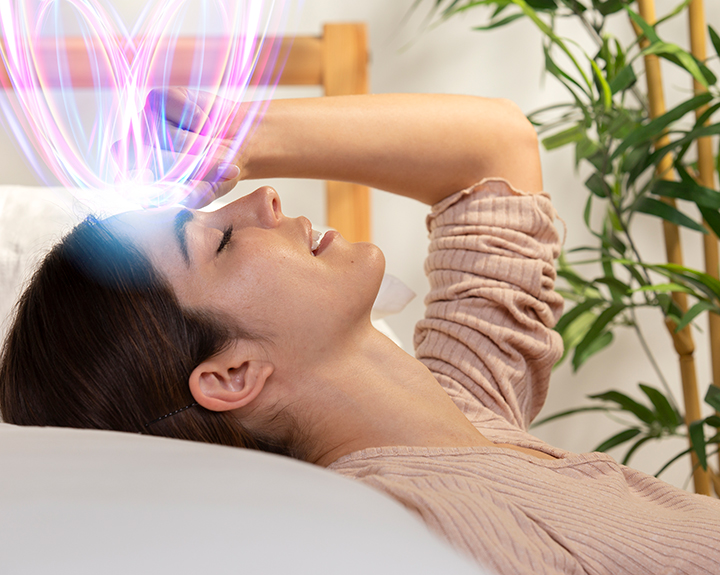
What to Expect and How You Might Feel After Reiki
Your first reiki session is often just the beginning. For beginners, the most noticeable part of Reiki is not only the session itself but how the effects linger afterward. Many describe a mix of calm, clarity, and emotional release in the hours or days that follow. These experiences are part of the wider benefits of reiki healing.
- A Lasting Sense of Calm: Many beginners describe feeling unusually peaceful, even when returning to normal routines.
- Emotional Release: Some people notice tears, laughter, or a lighter mood as old emotions begin to move through the body.
- Improved Rest and Sleep: It is common to sleep more deeply after your first session, as Reiki settles the nervous system.
- Physical Lightness: Tension in the shoulders, back, or chest may feel reduced, leaving you with a sense of ease.
Not every reiki healing session feels dramatic right away, and that is perfectly normal. Some notice subtle shifts like steady energy or mental clarity, while others feel strong emotional movement. Paying attention to these changes helps you understand how reiki for beginners supports not just the body, but the mind and emotions as well.
Is Reiki Safe for Everyone?
One of the most reassuring things about Reiki is how gentle and adaptable it is. Because it does not rely on medication or physical manipulation, Reiki is generally considered safe for people of all ages and conditions. Many beginners worry if reiki healing will interfere with medical treatment or feel overwhelming, but sessions are always non-invasive and designed to meet you where you are.
That said, Reiki is not a substitute for medical care. It works best as a complementary approach, supporting the body and mind while you continue with any necessary medical treatments. It can be especially helpful for stress relief, anxiety, and emotional balance, which often play a role in overall wellness. For people new to energy practices, spiritual healing with Reiki is a safe entry point into holistic care.
Choosing the Right Reiki Practitioner for Your First Session
Selecting a practitioner is a key part of beginning your Reiki journey. Since Reiki is deeply personal, the right guide helps you feel safe, comfortable, and open to the process. Here are five things to look for when booking your first reiki session.
- Training and Background: Ask about their education and experience with reiki healing therapy. This helps you feel confident in their knowledge of the practice.
- Experience With Beginners: A practitioner familiar with reiki therapy for beginners will explain what to expect and make the session less intimidating.
- Clear Communication: Notice how they respond to your questions. A good reiki practitioner creates trust through openness and clear explanations.
- Session Environment: The treatment space should feel calm and welcoming. A comfortable setting is essential for effective reiki energy healing.
- Personal Connection: Pay attention to how you feel around them. A strong sense of ease supports the overall experience of reiki healing for beginners.
Read Next: What Does a Reiki Healer Do (And Should You Try It?)

How Reclaim Happy Uses Reiki to Support Healing
At Reclaim Happy, Reiki is not seen as a quick fix or a stand-alone solution. It is integrated into a broader approach that blends science-based coaching with gentle, holistic support. Many clients come to us carrying stress, burnout, or emotional exhaustion that traditional methods alone do not always reach. Reiki creates space for the nervous system to settle so deeper healing work can begin.
Reiki is used as a bridge between mind and body. When the body feels calm, the mind becomes more open to clarity and change. That is why Reiki often helps people who feel stuck in patterns of anxiety, grief, or overthinking. A reiki healing session gives them a starting point of balance, which allows structured strategies like CBT and coaching to take hold more effectively.
- Creating Calm for the Nervous System: Sessions ease the body into relaxation, helping reduce stress and quiet racing thoughts.
- Supporting Emotional Release: Reiki provides a safe way to release grief, anxiety, and emotional blocks without pressure.
- Encouraging Rest and Balance: Many beginners leave their first session feeling lighter, clearer, and more connected.
- Building Openness to Growth: By restoring balance, Reiki helps clients feel ready to engage in deeper coaching work.
- A Certified Practice: Rakhee, a certified Level 3 Reiki practitioner, brings both skill and sensitivity to every session.
This is why Reiki holds a place within our work at Reclaim Happy. It does not replace structured coaching or cognitive tools but complements them. With Reiki woven into the process, clients often notice progress that feels steady, grounded, and sustainable.
Book your free consultation today to explore the varied benefits of Reiki.
FAQs
What exactly happens in a Reiki session?
In a typical reiki healing session, you lie fully clothed on a massage table or sit in a chair. The practitioner places their hands lightly on or just above different areas of your body. Beginners often notice warmth, tingling, or a deep sense of calm. Some feel emotional release, while others simply feel relaxed. Every experience is unique, and both subtle and strong sensations are considered normal.
Do I need to prepare before my first Reiki session?
Preparation is simple. Wear comfortable clothing, hydrate, and arrive a little early so you are not rushed. For beginners, it helps to set a simple intention, such as seeking calm, stress relief, or emotional balance. Reiki does not require special rituals. A relaxed, open mindset is the best preparation for your first reiki session.
How long does a Reiki healing session last?
Most sessions last between 45 and 60 minutes. Shorter sessions are possible, but many beginners find an hour gives them enough time to settle in and experience the benefits. Some practitioners also include time at the beginning or end for conversation, reflection, or answering questions about what happens in a reiki session.
How will I feel after my first Reiki session?
Many people leave their first reiki session feeling lighter, calmer, and more centered. Some notice improved sleep, while others experience emotional release, such as tears or laughter. It is also common to feel subtle changes that become clear in the days afterward, like reduced stress or clearer focus. Every beginner’s response is different, but most describe the experience as restorative.
Can Reiki help with stress, anxiety, or emotional healing?
Yes. Reiki is often sought out for these reasons. By guiding the body into deep relaxation, it helps calm racing thoughts and releases tension from stress or anxiety. It can also support the gentle release of stored emotions. This is why many describe Reiki as both physical and emotional healing, especially when they are feeling overwhelmed.
Do I need multiple sessions to see results?
Some beginners feel a difference after one session, while others notice deeper results after several. A single session can provide relaxation and balance, but a series of sessions often helps with longer-term patterns like chronic stress or ongoing emotional blocks. Your practitioner can help you decide what is best based on your goals.
Is Reiki a form of spiritual or medical healing?
Reiki is a holistic practice but it is not tied to any religion, nor is it a replacement for medical care. It works best as a complementary practice by supporting the body’s natural healing response, easing stress, and creating emotional balance alongside conventional treatments or life coaching.
How do I find a certified Reiki practitioner near me?
Instead of searching blindly, look for practitioners with training and certification, ideally at advanced levels. Ask about their experience with beginners, observe the treatment space, and trust your comfort level. At Reclaim Happy, Rakhee is a certified Level 3 reiki practitioner who brings both skill and sensitivity to every session, especially for those trying Reiki for the first time.