Confidence can win you applause. But when the lights go out, do you still feel enough?
People spend years chasing confidence. They buy self-help books, sign up for public speaking courses, and practice power poses in the mirror. Yet deep down, they still feel a sense of emptiness when no one is watching. Confidence can look polished on the outside, but without self worth, it doesn’t hold up when life gets difficult.
The truth is, confidence can be situational. You might feel bold in a meeting but collapse in silence when you’re alone. You might look strong on stage but struggle with self doubt when the applause fades. That’s the real difference. Confidence is about what the world sees, but self worth is about how you value yourself when no one else is looking.
At Reclaim Happy, we teach clients why self worth matters more than confidence. As certified life coaches, we’ve worked with professionals, caregivers, and high-achievers who looked confident but still carried a heavy lack of self worth. Through CBT-informed coaching and compassionate guidance, we help people rebuild the foundation they need. Because confidence without worth is fragile, but self worth over confidence creates resilience that lasts.
What’s the Real Difference Between Confidence and Self-Worth?
The phrases self worth vs confidence often get used interchangeably, but they are very different. Confidence is situational. It’s the belief that you can perform in a certain area, like your career, sports, or academics. Self worth, on the other hand, is the unshakable belief that you have value as a person, even outside of achievements.
People with high confidence but low worth may look successful yet secretly feel hollow, anxious, and stressed. They perform well, but they still question if they are enough. People with high self worth may or may not appear outwardly confident, but they move through life with calm assurance. They know their value doesn’t depend on likes, applause, or paychecks.
Here’s a clear look at the difference between confidence and self worth:
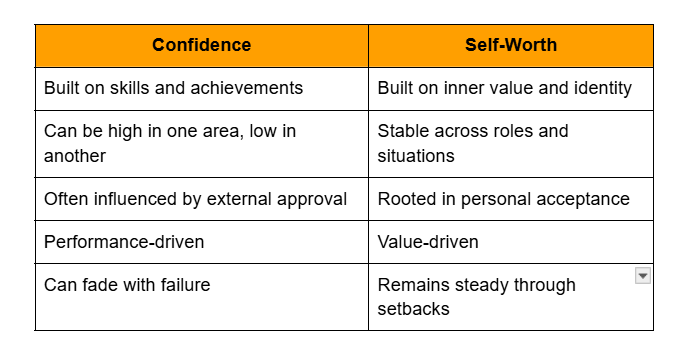
The importance of self worth becomes obvious here. Confidence gives you the courage to act, but self worth gives you the reason to keep going even when things fall apart.
Why Does Self-Worth Matter More Than Confidence?
Confidence might win you moments, but self worth over confidence wins you a life you can trust. Without worth, confidence is like a balloon, impressive when inflated but fragile and quick to collapse. Self-worth, however, is the ground beneath you.
- Inner stability. Confidence shifts with outcomes, but healthy self worth holds steady even when things go wrong.
- Resilience in failure. Worth reminds you that setbacks don’t define you, they guide your growth.
- Authentic relationships. People with self worth don’t seek validation in every interaction, which creates deeper connections.
- Long-term growth. Skills may change over time, but developing self worth keeps you grounded across every stage of life.
- Freedom from comparison. Self worth shields you from constant social measuring, while confidence alone often depends on being “better than.”
- Emotional balance. Worth roots you in calm acceptance, while confidence without worth leads to highs and lows.
This is why psychologists, coaches, and personal growth experts emphasize the value of self worth as the foundation. Confidence can come and go, but building self worth is what shapes a steady, fulfilling life.
Can You Have Confidence Without Self-Worth?
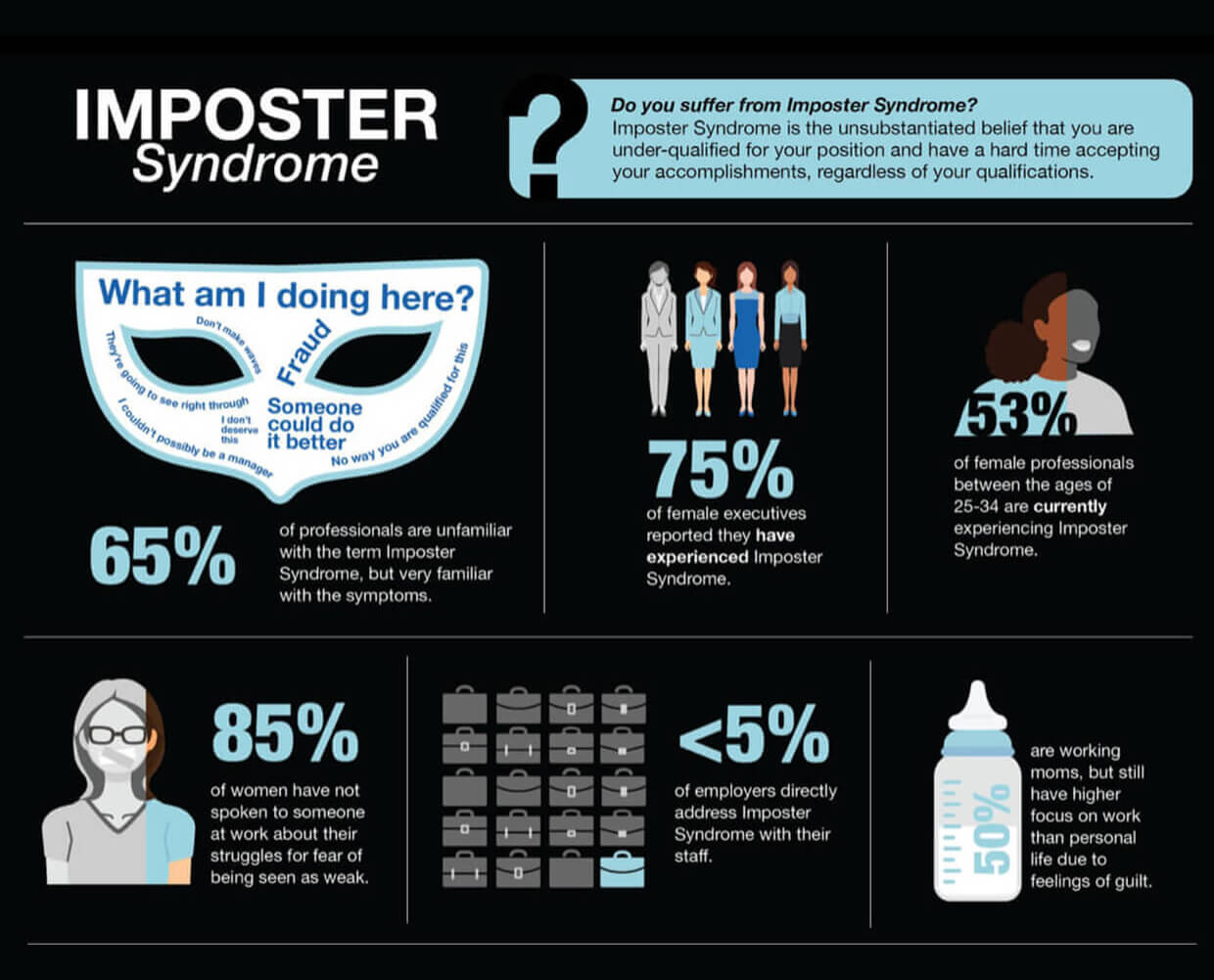
The short answer is yes, but it comes at a cost. Many people show up in the world looking polished, successful, even magnetic. They speak clearly, hold attention, and take on challenges with ease. To everyone else, they seem unstoppable. Inside though, the story is different. Without self worth, confidence becomes a mask.
You can be confident in your job but still feel like a fraud when you are home alone. You can shine at social events but fall apart when no one is validating you. That gap is what happens when you build skills and appearance but skip the inner foundation. True strength and happiness come when your confidence and your worth align, when how you see yourself matches the value you know you carry.
This is why so many people seek self worth mindset coaching. They have built the outside shell, but without developing self worth, every accomplishment feels temporary. Confidence is situational. Self worth and self confidence together create a steady, lasting sense of being enough.
How Low Self-Worth Shows Up in Everyday Life
A lack of self worth rarely shouts. It shows up in the quiet, ordinary moments when you feel smaller than you are. If these patterns sound familiar, it may be time to reflect on the importance of self worth.
- Saying yes to commitments you do not want because you fear rejection
- Avoiding opportunities you are qualified for because you doubt your value
- Comparing yourself endlessly to friends, coworkers, or strangers online
- Needing praise to feel good but struggling to believe it when you hear it
- Staying in relationships that drain you because you do not think you deserve better
- Feeling crushed by small mistakes and replaying them in your mind for days
- Chasing external validation such as likes, compliments, or promotions but never feeling satisfied
These are not signs of weakness. They are signs of low self worth, and they can quietly shape every corner of life. The good news is they can be shifted. With the right tools and guidance, building self worth is possible at any stage of life.

How Life Coaching Can Help You Build Self-Worth
Improving self worth often requires more than reading or self-reflection. A structured coaching process can help you see yourself more clearly and develop lasting change. Here are some ways self improvement coaching supports growth:
- Objective Perspective: A coach sees patterns you may overlook and highlights blind spots with care.
- Mind Education: Coaching teaches you on what parts of your mind thrive when you reduce your self-worth & why we do it.
- Accountability That Sticks: Regular check-ins keep you consistent and reduce the chance of slipping back.
- Personalized Strategies: Coaching focuses on your unique triggers, strengths, and goals for building self worth.
- Emotional Support: Encouragement and steady guidance help you stay grounded through setbacks and progress.
- Skill Development: Tools like journaling, boundary-setting, and reframing build resilience and confidence over time.
- Safe Space for Growth: Coaching creates a supportive environment where you can face challenges without judgment.
- Momentum and Motivation: Clear goals and small wins build energy and help sustain long-term change.
Practical Steps to Strengthen Your Self-Worth
Building self worth is not about quick affirmations or pretending to feel confident. It is about doing the slow, consistent work of reshaping how you relate to yourself. These practices go beyond surface-level tips and dig into the patterns that keep people stuck in cycles of self-doubt.
1. Separate Identity From Performance
Many people measure themselves only by achievements. Miss a deadline, fail a test, lose a client, and suddenly their value feels erased. Strengthening self worth means learning to see your identity as bigger than performance. When you untangle who you are from what you produce, you create room for mistakes without crumbling inside. This shift allows resilience to grow even when results fall short.
2. Audit Your Inner Comparisons
Comparison is one of the fastest ways to erode self worth. Notice when your mind automatically measures you against others. Instead of trying to suppress the comparison, ask yourself what need lies beneath it. Do you crave recognition, security, belonging? By tracing comparisons back to their root, you move away from envy and toward understanding, which gives you a healthier path to meet those needs.
3. Rewrite the Story of Failure
Failure often becomes proof of being “not enough.” To improve self worth, treat failure as raw data rather than a verdict. Write down what happened, what it meant to you, and what lesson can be carried forward. This reframing turns failure into feedback. The more you practice this, the less power shame has over you, and the steadier your self-image becomes in the face of setbacks.
4. Notice Emotional Leaks
Low self worth shows up in subtle ways like apologizing for things that don’t require apologies, downplaying compliments, or laughing off mistreatment. These are emotional leaks that quietly drain dignity. Start tracking them. Every time you catch yourself shrinking or dismissing your needs, pause and ask: “What would it look like to respond with self respect here?” Such practices of slow emotional healing create awareness that gradually reshapes how you carry yourself.

5. Build Worth Through Integrity, Not Image
Confidence often thrives on image, while self worth deepens through integrity. Keep promises to yourself, even in small ways. If you say you will rest, then rest. If you say you will call someone, then follow through. Each kept promise strengthens trust in yourself. Over time, this builds a foundation of worth that does not need external validation, because you know you can rely on your own word.
6. Create Rituals of Self-Respect
Daily rituals can anchor healthy self worth better than occasional breakthroughs. This might mean a morning practice of checking in with your needs, an evening ritual of gratitude that includes yourself, or scheduling time each week for activities that affirm your values. These small but consistent acts send a signal: you treat yourself as someone who matters. Over time, this rewires how you instinctively value your own presence.
7. Confront the “If Only” Trap
Low self worth often hides behind conditions. If only I earned more, if only I looked different, if only I had their life… then I’d feel good about myself. This mindset postpones worth indefinitely. Start by noticing these conditional thoughts and writing them down. Then ask, “Why can’t I choose to matter right now?” Breaking the “if only” trap grounds your worth in the present instead of a moving target.
8. Anchor Worth in Relationships That Reflect You Truthfully
The people around you act as mirrors. If your circle is filled with critics or people who dismiss your feelings, it becomes harder to maintain healthy self worth. Audit the relationships in your life. Seek those that honor your humanity, not just your productivity or usefulness. Surrounding yourself with people who reflect your true value strengthens the internal belief that you are worthy, even when you struggle to feel it.
Why Reclaim Happy Focuses on Self-Worth First
At Reclaim Happy, we have seen how fragile confidence can be without self worth holding it up. Clients come to us with polished résumés, successful careers, or strong social presence, yet inside they feel empty. They have built confidence in specific roles, but the quiet moments expose a deeper gap. That gap is always about self worth vs confidence.
We focus on self worth as well as confidence because together, they're the foundation that makes every other change possible. When you value yourself at the core, confidence becomes a natural extension instead of a mask you have to maintain. Our coaching goes beyond surface motivation. We combine structured CBT-informed methods, personalized strategies, and practical tools that rebuild the way you see yourself.
This means:
- Helping you interrupt the thought spirals that fuel doubt and guilt
- Rebuilding small daily habits that create consistency and trust in yourself
- Guiding you through boundaries, relationship clarity, and emotional resilience
- Supporting you with both cognitive strategies and mind-body practices that calm the nervous system
We do not start with performance goals or quick confidence tricks. We start with your foundation, your self worth. Once that foundation is steady, confidence grows naturally. As a result, relationships deepen, emotional stability strengthens, and progress finally feels sustainable, not performative.
That is why at Reclaim Happy, developing self worth comes first. When you feel valuable at the core, you no longer chase confidence. You live it.
If you are ready to shift from performing confidence to building real worth, book a free clarity session today.
FAQs
What is the main difference between self-worth and confidence?
The difference between confidence and self worth lies in where they come from. Confidence is situational and depends on skills, roles, or achievements. You can feel confident at work but unsure in relationships. Self worth is deeper. It is the belief that you are valuable no matter what you achieve. Confidence can rise and fall, but self worth stays with you through every situation.
Why is self-worth more important than confidence?
Many people chase confidence because it looks powerful on the outside. But without healthy self worth, confidence is fragile and temporary. The answer to why self worth matters more than confidence is simple. Worth is the foundation that holds you steady through setbacks, rejection, or failure. When you know your value, confidence flows naturally, but when you only build confidence, you can still feel hollow inside.
Can someone be confident but still lack self-worth?
Yes. It is possible to perform well, look self-assured, and still carry a lack of self worth. This shows up in people who seem successful but secretly doubt themselves. They may need constant praise, struggle with overthinking, or feel empty after achievements. Confidence without worth is a mask. When you strengthen self worth and self confidence together, you create a more stable sense of identity.
How do I know if I struggle with low self-worth?
Signs of low self worth include needing external validation to feel good, apologizing too much, comparing yourself to others, and feeling unworthy of love or opportunities. You might stay in draining relationships or avoid challenges because you believe you are not enough. These patterns are common but can be changed with work focused on building self worth instead of chasing confidence.
Can building self-worth improve my confidence too?
Absolutely. When you focus on improving self worth, confidence begins to grow naturally. Worth provides the stability and self trust that confidence builds on. Without it, confidence feels like a performance. With it, confidence feels like an extension of who you are. This is why many people choose self worth over confidence when working on personal growth.
How can a life coach help improve self-worth?
A personal development coach or life coach can guide you through structured strategies for developing self worth. Coaching helps you identify the thought patterns that lower your sense of value, rebuild trust in yourself through small wins, and create habits that affirm your worth daily. With guidance and accountability, you move from knowing the theory to living the practice of improving your self worth.