.webp)
You were taught how to study, how to memorize, how to perform under pressure. You were graded on accuracy and speed. Very few people were taught how to understand their own reactions, how to manage frustration in real time, or how to navigate difficult conversations without shutting down. That gap follows many adults into work and relationships.
Emotional intelligence is often treated like a personality trait. Something you either have or you do not. In reality, it is a trainable skill set. It shapes how you handle stress, how you respond to feedback, how you recover from conflict, and how safe people feel around you. When this skill is underdeveloped, patterns repeat. Arguments escalate. Stress builds quietly. Opportunities pass because communication breaks down.
This is the skill that quietly determines success more than raw intellect. It influences decision making, leadership presence, and resilience under pressure. If you have ever wondered why someone technically brilliant struggles with people, or why a calm communicator advances faster than a genius, the answer often lives here.
The good news is: Emotional intelligence is not a personality trait you either have or do not have. It is a set of learnable skills. It involves awareness, regulation, empathy, and communication. When you understand how these pieces fit together, you stop reacting on autopilot. You start responding with clarity.
This guide breaks down what emotional intelligence actually means, how it applies to work and relationships, and how to build it step by step.
What Emotional Intelligence Actually Is Beyond Buzzword

Emotional intelligence is the skill of noticing emotions as they rise, understanding what they are trying to signal, and choosing how you respond. It is not about being calm all the time. It is not about being agreeable or soft. It is about being aware and steady enough to handle real situations without getting hijacked by stress, defensiveness, or people-pleasing.
Here is what it looks like in daily life:
- You notice your mood shift before it spills into your tone.
- You catch an emotional trigger early and pause before reacting.
- You name what you feel with clarity instead of acting it out.
- You stay present during conflict instead of shutting down or attacking.
- You listen to understand, even when you disagree.
- You recover faster after setbacks and awkward moments.
- You choose your response based on values, not impulse.
When people talk about EQ vs IQ, this is the gap they mean. IQ helps you solve problems on paper. Emotional intelligence helps you solve problems with people, pressure, and emotions in the room.
Read Next: Why Rest Feels Uncomfortable When You’re Burnt Out
The 5 Components of Emotional Intelligence
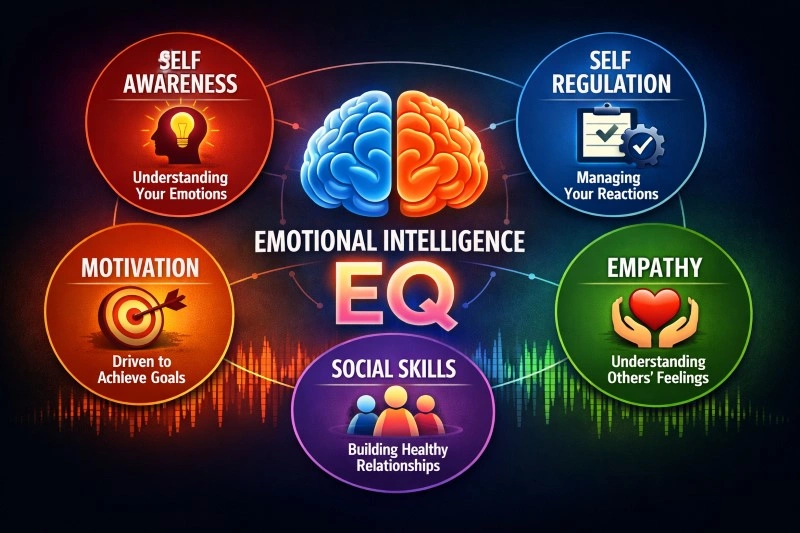
The components of emotional intelligence were popularized by Daniel Goleman and remain widely used because they are practical. These five areas work together. When one is weak, the others struggle. When all five are developed, your thinking becomes clearer and your relationships feel steadier.
Self-Awareness
Self-awareness is the foundation of emotional intelligence. It is the ability to recognize your emotions as they arise and understand what triggers them. Instead of brushing it off as "I am just in a bad mood", you can identify what is actually happening, such as frustration after being interrupted, anxiety before presenting, or irritation when expectations are unclear. That level of clarity shifts your response from reactive to intentional.
Strong self-awareness means you can:
- Notice patterns in your emotional triggers
- Recognize how emotions influence decisions
- Identify strengths and blind spots honestly
- Admit mistakes without collapsing into shame
Without awareness, regulation is impossible. You cannot manage what you cannot see.
Self-Regulation
Self-regulation builds on awareness. It refers to the ability to manage impulses, tolerate discomfort, and respond thoughtfully under stress. These self regulation skills do not mean suppressing emotions. They mean choosing behavior intentionally. Instead of reacting immediately, you create space to consider consequences and align your response with your values. Over time, this steadiness builds trust, both with yourself and with others..
People with developed regulation skills tend to:
- Pause before reacting in heated moments
- Handle criticism without immediate defensiveness
- Stay composed during pressure
- Recover from setbacks without spiraling
This is where many leadership challenges surface. High intelligence does not guarantee emotional balance.
Motivation
Motivation within emotional intelligence refers to the inner drive that keeps you moving toward meaningful goals, even when progress feels slow or uncomfortable. It is less about ambition and more about emotional stamina. People with strong internal motivation can tolerate frustration without losing direction. In conversations around leadership emotional intelligence, this quality often separates reactive managers from steady leaders who stay grounded under work pressure.
Motivated individuals often:
- Stay engaged even when progress feels slow
- Learn from feedback instead of avoiding it
- Maintain effort during uncertainty
- Align actions with values instead of mood
When motivation is rooted in purpose rather than ego, it becomes sustainable. That steadiness influences how you handle stress, setbacks, and responsibility.
Empathy
Empathy is the ability to understand and accurately read the emotional experience of another person. It requires attention, curiosity, and restraint. Strong empathy does not mean absorbing everyone else’s feelings. It means recognizing them clearly and responding with care. Within emotional intelligence, empathy strengthens connection and reduces unnecessary misunderstanding. Developing empathy skills changes how conversations unfold, especially during tension.
Empathy shows up when you:
- Notice shifts in energy during conversations
- Validate someone’s experience before offering advice
- Consider how decisions affect others
- Adjust communication style based on who you are speaking with
Empathy transforms relationships because people feel heard rather than managed.
Social Skills
Social skills are the visible expression of emotional intelligence in action. They reflect how well you translate awareness, regulation, motivation, and empathy into behavior others can experience. These skills shape your reputation at work and in personal life. Strong communication is not accidental. It grows from consistent practice in reading situations, managing tone, and responding thoughtfully. This is where emotional insight becomes relational impact.
People with strong social skills tend to:
- Communicate clearly and directly
- Navigate disagreements without escalating tension
- Build trust over time
- Create psychological safety in group settings
Effective active listening plays a central role here. Listening with presence, rather than waiting to respond, strengthens collaboration and reduces conflict. Over time, these social behaviors build credibility and influence.
Read Next: How to Improve Self-Worth Without Relying on External Validation
EQ at Work: Why Skills Matter More Than Titles

In many workplaces, promotions are based on performance metrics, technical skill, or years of experience. What often gets overlooked is how someone handles pressure, feedback, and conflict. That is where emotional intelligence at work becomes visible. Titles may signal authority, but daily interactions reveal maturity, steadiness, self-confidence, and awareness.
In high pressure environments, strong IQ can solve strategic problems. Strong EQ manages people, tension, and uncertainty. This is why conversations around EQ vs IQ continue to gain attention. Intelligence may get you hired. Emotional skill determines how you lead, collaborate, and grow.
Here is how emotional intelligence at work shows up in practical ways:
- Handling Feedback With Composure: Receiving criticism without defensiveness and using it to improve performance.
- Managing Emotional Triggers Under Pressure: Recognizing stress responses before they escalate into reactive communication.
- Leading Through Uncertainty: Staying grounded during change and helping others feel steady rather than anxious.
- Communicating Expectations Clearly: Reducing confusion by expressing needs directly and respectfully.
- Navigating Conflict Without Escalation: Addressing tension early instead of letting resentment build quietly.
- Building Trust Over Time: Following through consistently so others feel safe relying on you.
- Practicing Active Listening in Meetings: Listening to understand concerns before pushing your own agenda.
- Demonstrating Leadership Emotional Intelligence: Modeling calm, accountability, and fairness in visible ways.
People remember how they feel around you. That emotional imprint often shapes influence more than credentials ever will.
Read Next: Work-Life Balance Out of Sync? Here's How to Reclaim Balance
Empathy and Listening: Skills That Change Relationships
Most relationship breakdowns do not start with dramatic events. They begin with small moments of feeling unheard, dismissed, or misunderstood. Strong empathy skills and consistent active listening shift that pattern. They slow conversations down and create space for people to feel acknowledged before solutions are discussed.
Empathy requires attention. Listening requires restraint. Together, they change the tone of difficult conversations and build emotional safety over time.
Here is what this looks like in practice:
- Listening Without Interrupting: Letting someone finish fully before forming your response.
- Reflecting Back What You Heard: Summarizing their words to confirm understanding and reduce misinterpretation.
- Naming Emotions Clearly: Acknowledging frustration, disappointment, or fear without minimizing it.
- Staying Present During Discomfort: Remaining engaged even when the topic feels tense or sensitive.
- Asking Curious Follow Up Questions: Seeking clarity instead of jumping to conclusions or assumptions.
- Managing Your Own Emotional Triggers: Noticing defensiveness before it shapes your tone.
- Validating Without Automatically Agreeing: Recognizing someone’s experience while maintaining your perspective.
- Responding Instead of Reacting: Choosing thoughtful language rather than impulsive replies.
When empathy and listening improve, trust grows. Conversations become clearer. Conflict becomes manageable instead of explosive. These are visible markers of strong emotional intelligence in both personal and professional relationships.
Read Next: Relationship Tips from a CBT Practitioner: How to Stop the Same Fight from Repeating
Simple Exercises You Can Do To Improve Your EQ
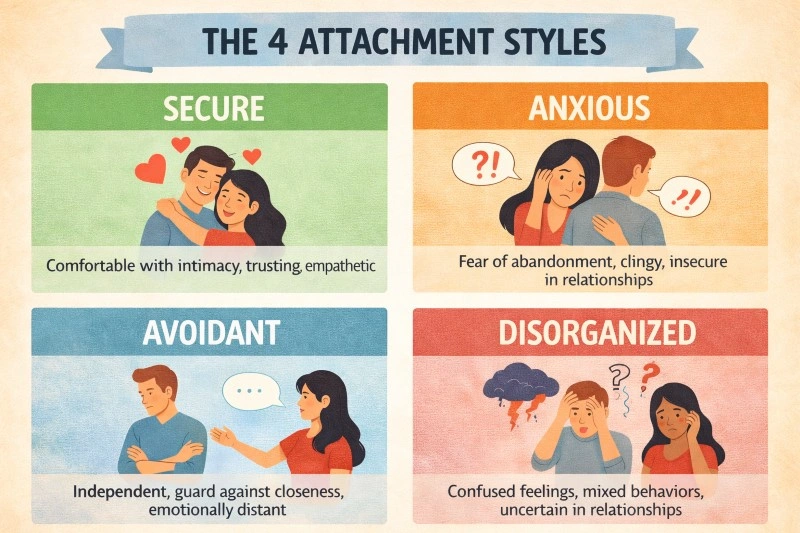
Building emotional intelligence requires repetition, reflection, and honest feedback. Insight alone does not change behavior. Daily practice strengthens awareness, regulation, empathy, and communication in ways that gradually reshape how you respond under pressure. The exercises below are structured, realistic, and designed to help you understand how to build emotional intelligence step by step.
Emotional Trigger Mapping
Set aside ten minutes at the end of the day and reflect on moments that caused a noticeable emotional shift. Write down what happened, what you felt in your body, what thought followed, and how you reacted. Over time, patterns in your emotional triggers become clear. You may notice specific situations, tones of voice, or themes that consistently activate stress or defensiveness. Awareness of these patterns strengthens self-control, shifts the mindset, and reduces reactive behavior in future interactions.
The Pause and Label Technique
During a tense moment, pause briefly and label your internal state before speaking. You might silently name the emotion, such as frustration, embarrassment, or anxiety. This small act builds self-awareness and supports stronger self regulation skills. Labeling creates mental distance between feeling and action, which makes it easier to choose language that reflects your values rather than your impulse. Practicing this repeatedly builds steadiness under pressure.
Perspective Shift Exercise
When conflict arises, write a short paragraph from the other person’s point of view. Describe what they may be feeling, what concerns they might have, and what outcome they want. This strengthens empathy skills and reduces the tendency to personalize disagreement. Even when you do not fully agree with their perspective, understanding it deepens relational insight and supports more constructive conversations.
Active Listening Practice
Choose one conversation each day where your goal is to focus fully on listening. Maintain eye contact, avoid interrupting, and reflect back key points before responding. This form of active listening trains patience and improves clarity. Over time, others will notice that they feel more understood in your presence, which strengthens trust and connection in both work and personal settings.
Weekly Reflection Review
At the end of each week, review situations where you handled emotions well and moments where you struggled. Ask yourself what influenced your response, what worked, and what could improve. This consistent reflection reinforces growth and supports long term development in emotional intelligence. Progress becomes visible when you compare how you reacted a few months ago with how you respond now.
Small, repeated effort builds emotional steadiness that shows up clearly in relationships, leadership, and daily decision making.
How Coaching Accelerates Your EQ Growth
Reading about emotional intelligence builds awareness. Practicing exercises builds skill. Life coaching speeds up both because you are no longer guessing where your blind spots are. Growth becomes focused instead of scattered. When someone trained in behavioral psychology reflects your patterns back to you, insight sharpens and habits shift faster.
Many people can identify their strengths. Fewer can see the subtle ways stress shapes their tone, posture, or decision making. Coaching brings structure to that process. It helps you map recurring emotional triggers, refine self regulation skills, and strengthen communication in real time. Instead of waiting for conflict to reveal a weakness, you work on it deliberately.
In structured emotional intelligence coaching, sessions often include:
- Reviewing real life interactions and identifying emotional patterns.
- Practicing reframing techniques drawn from cognitive methods.
- Strengthening empathy and boundary setting in difficult relationships.
- Improving clarity during high pressure conversations.
- Building consistency in leadership and team communication.
For professionals, this directly strengthens emotional intelligence at work. For leaders, it deepens leadership emotional intelligence in visible, measurable ways. For individuals navigating personal relationships, it reduces reactivity and builds steadier connection.
Progress accelerates when feedback is honest and practical. A life coach guides you through structured application of your reflections so emotional growth becomes consistent rather than occasional.
Read Next: How to Know If You Need a Life Coach (And What to Expect)
Conclusion
Technical skill might earn respect at first glance, but emotional intelligence determines how you handle pressure, conflict, and connection over time. When you understand your emotional triggers, strengthen your self-regulation skills, and practice empathy and active listening consistently, your relationships change. Your leadership steadies. Your confidence becomes quieter but stronger. These shifts do not happen overnight, yet they are measurable when approached with structure and intention.
At Reclaim Happy, we work with professionals, leaders, and individuals who want more than surface level insight. As CBT-certified life coaches, we guide clients through practical tools that strengthen awareness, regulation, communication, and clarity. We support growth across anxiety, burnout, life transitions, confidence challenges, and relationship patterns. Emotional development is not abstract work for us. It is structured, skill based, and grounded in psychology you can apply immediately.
Book your free session and start building practical emotional intelligence with structured CBT coaching support.
FAQs
What is emotional intelligence?
Emotional intelligence refers to the ability to recognize, understand, and manage your own emotions while also responding effectively to the emotions of others. It involves awareness, regulation, empathy, and communication. Unlike academic intelligence, which measures cognitive ability, emotional intelligence reflects how you handle pressure, conflict, and relationships. It shapes how you respond in difficult conversations, how you recover from setbacks, and how you build trust over time. These skills can be learned and strengthened with consistent practice and reflection.
What are the 5 components of EQ?
The widely accepted components of emotional intelligence include self-awareness, self-regulation, motivation, empathy, and social skills. Self-awareness involves recognizing your emotional triggers and patterns. Self-regulation refers to managing impulses and staying composed under stress. Motivation reflects internal drive and resilience. Empathy allows you to understand the feelings of others accurately. Social skills include communication and active listening. Together, these five areas create a framework for improving both personal and professional effectiveness.
How does emotional intelligence help in the workplace?
Strong emotional intelligence at work improves communication, collaboration, and leadership. Professionals with high EQ manage feedback constructively, stay composed during conflict, and maintain trust within teams. In discussions around EQ vs IQ, technical skill may solve problems, but emotional intelligence determines how those solutions are communicated and implemented. It also strengthens leadership emotional intelligence, which influences morale, decision making, and team stability during stressful periods.
How do I become more self aware?
Becoming more self aware starts with noticing emotional shifts as they occur. Pay attention to patterns in your emotional triggers, such as specific situations, people, or topics that cause strong reactions. Journaling after challenging interactions helps clarify what you felt, what you thought, and how you responded. Asking for honest feedback from trusted colleagues or friends can also reveal blind spots. Over time, consistent reflection strengthens awareness and reduces reactive behavior.
How can I improve self regulation?
Improving self regulation skills begins with creating a pause between emotion and action. When you feel irritation, anxiety, or defensiveness rising, take a brief moment to name the emotion internally. This labeling process helps reduce impulsive responses. Breathing exercises, short reflection breaks, and reviewing difficult situations afterward also support growth. Regulation is not about suppressing feelings. It is about responding intentionally rather than automatically.
How do I develop empathy?
Developing empathy skills requires deliberate attention to other people’s emotional experiences. During conversations, focus fully on listening instead of preparing your response. Practice reflecting back what you heard to confirm understanding. Consider what pressures or concerns the other person may be facing. Strengthening active listening habits deepens empathy and improves relationship quality. With repetition, empathy becomes more natural and less effortful.
Can you learn emotional intelligence as an adult?
Yes, emotional intelligence can be strengthened at any age. Although early experiences shape emotional patterns, adults can reshape responses through reflection and practice. Awareness-focused CBT exercises, feedback, and structured skill development gradually change how you handle stress and relationships. Progress may feel gradual, yet consistent effort produces measurable shifts in communication, confidence, and resilience.
Can a coach help improve emotional intelligence?
Structured emotional intelligence coaching accelerates growth by providing clear feedback and targeted exercises. A coach helps identify blind spots, recurring emotional triggers, and communication patterns that may limit progress. Through guided reflection and practical tools, coaching strengthens awareness, regulation, and relational skills. Instead of navigating growth alone, you receive accountability and structure that support steady development.